Column · @thebuildingcircuit
When Electrical Outlets Fail: A Guide for Business Owners
Understanding the problem
When an electrical outlet stops working in a commercial setting, the immediate reaction is often frustration. Equipment goes dark, work stops, and you start wondering about the cost and downtime. But before you call for help, it pays to understand what might be happening. A dead outlet can mean anything from a tripped breaker to a deeper wiring fault, and the right response depends on recognising which situation you are dealing with.
Business electrical troubleshooting starts with a simple principle: stay calm and work methodically. Most outlet failures are not emergencies, and many can be resolved without a service call if you know what to check. That said, commercial environments have higher electrical loads than homes, so the causes and solutions can look different. A single dead outlet in a retail store might be a minor nuisance, but the same problem in a server room or a production line demands faster attention.
What to check first
Before you assume the worst, eliminate the obvious. The outlet may look dead but still have power at the breaker. Start by checking whether other outlets or lights on the same circuit are working. If only one outlet has stopped, the fault is likely local. If a whole section of the building has gone dark, you are probably looking at a tripped breaker or a larger issue.
Resetting the breaker
Go to your electrical panel and look for a breaker that is in the middle or off position. A tripped breaker often sits between on and off, not fully to one side. Flip it fully to off, then back to on. If it holds, test the outlet. If the breaker trips again immediately or shortly after, do not keep resetting it. That repeated tripping is a safety signal: something is drawing too much current or there is a short circuit. At this point, leave the breaker off and call a qualified electrician.
Testing other outlets on the same circuit
If the breaker holds but the outlet stays dead, the issue is between the panel and that outlet. A loose wire, a failed receptacle, or damage in the wall can cause a single outlet to lose power while everything else on the circuit works. This is a job for a professional, because opening an outlet box while the circuit is live carries real risk. A licensed electrician can safely check connections and replace the receptacle if needed.

Common causes of outlet failure in commercial buildings
Commercial spaces put more stress on electrical systems than homes. High-wattage equipment, long runs of wiring, and older infrastructure all contribute to outlet problems. Here are the most frequent causes and what they mean for your business.
Overloaded circuits
When too many devices draw power from the same circuit, the breaker trips to prevent overheating. This is the most common cause of dead outlets in commercial settings. The fix is usually to redistribute the load: move high-draw equipment to a different circuit or add a dedicated circuit for heavy machinery. A professional can measure the load on each circuit and recommend a plan.
Loose or damaged wiring
Over time, vibration, heat cycles, and normal wear can loosen the screws that hold wires to an outlet. A loose connection creates resistance, which generates heat and can eventually cause the outlet to stop working. In some cases, the wire may have broken inside the insulation. This type of fault is invisible from the outside and requires opening the box to diagnose.
GFCI tripped
Ground fault circuit interrupters are common in bathrooms, kitchens, and outdoor areas. They trip when they detect a tiny leak of current to ground, which can happen if a device has a minor internal fault or if moisture gets into the outlet. Look for a reset button on the outlet itself. If pressing it restores power, the issue is probably temporary. If it trips again quickly, there is a persistent ground fault that needs professional attention.
Voltage drop
In large commercial buildings, long wire runs can cause voltage to drop below the level needed to run equipment. This does not usually kill an outlet entirely, but it can make devices behave erratically. Lights may dim, motors may run hot, and electronics may shut down. Voltage drop is a design issue that an electrician can diagnose with a meter.
When to call a professional
Some outlet problems are simple to solve. Others demand a trained eye and the right tools. If you have checked the breaker and reset any GFCI outlets, and the outlet still does not work, it is time to bring in an electrician. The same goes if you notice any of these signs:
- Warm or hot faceplate on the outlet
- Burning smell near the outlet or panel
- Spark or crackling sound when plugging something in
- Breaker that trips repeatedly
- Multiple outlets in the same area dead at once
These symptoms point to an electrical fault that could worsen if left alone. A professional can perform a safety inspection, find the root cause, and make the necessary repairs. In many cases, commercial electrical repair involves replacing damaged wiring, upgrading a panel, or adding new circuits to handle modern loads. Ignoring the problem can lead to equipment damage, fire risk, or costly downtime.
How to prevent outlet problems
Good electrical maintenance reduces the chance of sudden failures. A few simple practices can keep your outlets working reliably:
- Have a licensed electrician inspect your system every few years, especially if the building is older.
- Avoid daisy-chaining power strips or using extension cords as permanent wiring.
- Label your breaker panel clearly so you can identify which circuit serves which area.
- Pay attention to early warning signs: flickering lights, warm outlets, or breakers that trip more than once.
These steps cost little but can save you from unexpected outages. When a problem does arise, business electrical troubleshooting is best done with a calm head and a clear plan. Start with the simple checks, and if those do not solve it, call a professional who understands commercial systems.
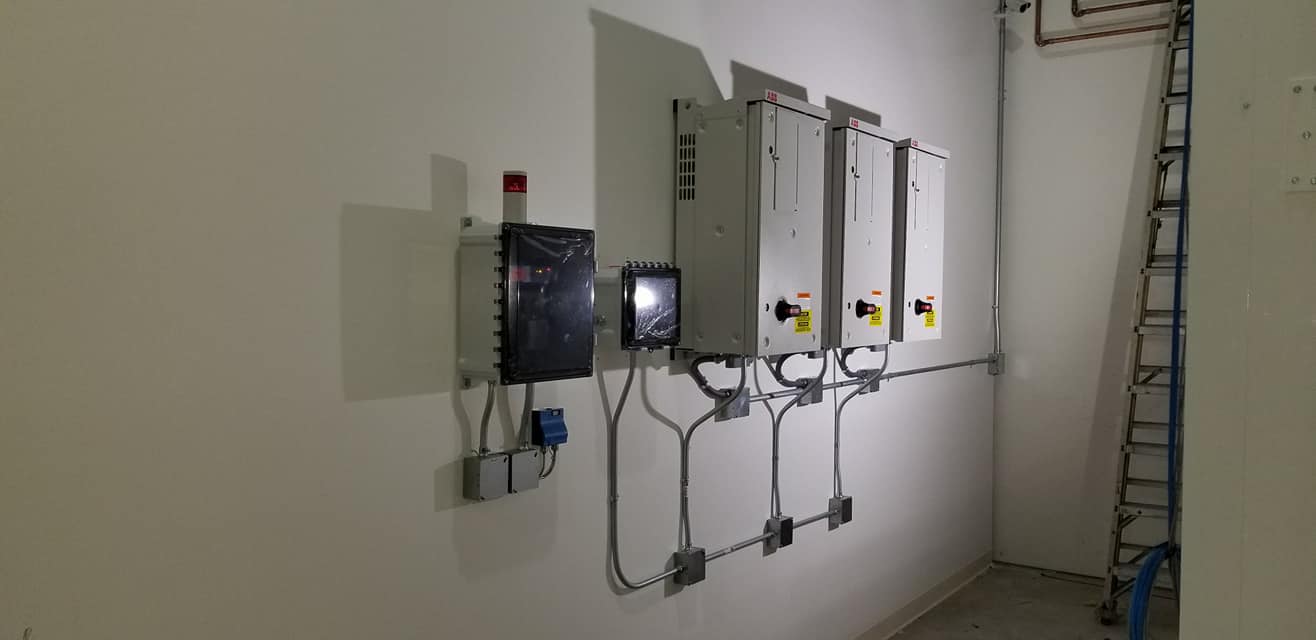
In larger facilities, the electrical system is more complex than a home setup. Multiple panels, three-phase power, and interconnected circuits mean that a single outlet failure can have several possible causes. An experienced electrician can trace the circuit back, check for voltage drop, and confirm that the wiring meets current code. This is where commercial electrical repair differs from a simple home fix: the stakes are higher, and the solution often involves more than just swapping a receptacle.
If your business depends on reliable power, do not let a dead outlet linger. A quick diagnosis can tell you whether it is a minor issue or a sign of something larger. Either way, acting promptly keeps your operations running and avoids bigger problems down the line.